The Numbers Have Changed Again
From April 2024, the National Living Wage rose to £11.44 per hour for workers aged 21 and over. For landscapers, that's a real number to contend with. If you're running a crew of five people on standard rates, that wage floor hitting your payroll is impossible to ignore.
Most landscaping businesses aren't huge operations. You might have two or three permanent staff, bring in casual workers for seasonal peaks, or operate as a sole trader with the occasional helper. Whatever your setup, wage increases filter straight into your bottom line unless you plan ahead.
Why This Matters More Than You Think
Landscaping is labour-intensive. Your biggest cost, after materials and fuel, is paying the people who do the work. A crew member cutting hedges, laying turf, or clearing gardens depends on minimum wage compliance. So do you. Non-compliance costs penalties, reputation damage, and stress.
The increase from £10.42 to £11.44 isn't tiny. That's roughly 10 per cent higher per hour. Over a year, for a full-time member of staff on 35 hours per week, you're looking at an extra £1,850 in wages before tax. For a team of three permanent staff, you're approaching £5,500 in additional annual payroll.
That money has to come from somewhere. Either your profit margin shrinks, your prices rise, or you find efficiencies in how you work.
What Landscapers Should Do Right Now
First, audit your current staff costs. Write down what you actually pay each person, how many hours they work, and what your total monthly payroll looks like. Don't guess. Pull your payroll records and add it up. This is your baseline.
Next, calculate what your wage costs will be under the new minimum wage. If any staff member earns below £11.44, they'll need a raise to stay legal. Work out the difference month by month. This isn't about being generous. It's about knowing your numbers.
Third, decide your response. You have three realistic options.
Option One: Absorb the Cost
Some businesses just accept lower profits. This works if you have surplus margin, if you're keen to keep your team stable, or if market rates let you raise prices anyway. For established landscapers with loyal customers, a price increase of 5 to 10 per cent might be absorbed without losing work. Customers understand wage rises happen.
The risk is that you squeeze your own income. If you're running at tight margins already, absorbing £5,000 in extra wages might mean you take home less. That's a real cost to you personally.
Option Two: Raise Your Prices
Most sensible option. Calculate your costs honestly. If a garden project previously cost you £800 in labour and now costs £880, build that into your quote. Don't pretend it hasn't changed.
The fear is that customers will shop around. But landscaping isn't a commodity. You're selling expertise, reliability, and quality work. A householder getting three quotes will see variation anyway. Pricing yourself fairly isn't greedy. It's sustainable.
Try this: Review five recent quotes. What was your labour cost as a percentage of the total? If it was 35 per cent and labour is rising 10 per cent, your overall project cost should rise 3.5 per cent. That's not aggressive. That's arithmetic.
Option Three: Adjust Your Staffing Model
Some landscapers use seasonal or casual staff rather than permanent employees. You might hire extra help during spring and summer, then reduce headcount in winter. This is honest and common in the sector.
If you're currently running three permanent staff year-round, could you run two permanent and hire casuals seasonally instead? The maths might work better. Casual workers give you flexibility. You pay the higher rate when you need them, and you avoid the overhead in quieter months.
Another option is subcontracting. Instead of employing someone, you contract work to another landscaper or sole trader. They handle their own wage obligations. This shifts the burden but also loses you control over quality and consistency.
The Spreadsheet You Actually Need
Create a simple staff budget for the next 12 months. List each person or role. Add their current hourly rate and annual hours. Then recalculate using £11.44 as the minimum. Work out the gap.
Now model your price increases or cost reductions. If you increase prices on residential garden work by 8 per cent, does that cover the wage rise? If you cut casual hours, what jobs become harder to staff? Run the numbers both ways.
Share this with your accountant if you have one. They'll spot things you've missed, like National Insurance contributions changing alongside gross wages.
One More Thing: Apprentices
If you employ apprentices or people under 21, the minimum wage is lower. The apprentice minimum is £6.40 per hour as of April 2024. That's significantly less. Some landscapers use apprenticeships to train staff while managing costs. It's legitimate and worthwhile if you genuinely invest in training.
Don't use apprentice rates just to dodge adult wages. The oversight from HMRC is real, and penalties are steep.
The Honest Truth
Wage rises are inevitable. Every year there's another increase, another calculation, another pressure on margins. The landscapers who survive and grow aren't the ones pretending the cost doesn't exist. They're the ones pricing fairly, communicating with customers, and building sustainable businesses where staff actually want to work.
Your team cuts hedges, digs borders, and deals with the weather. They deserve proper pay. You deserve a profit. Get the numbers straight now, make your decision, and move on. Running a landscaping business is hard enough without financial ambiguity weighing on you.

Trending articles
-
 Soft vs Hard Landscaping in the UK: A ...
Apr 2026
Soft vs Hard Landscaping in the UK: A ...
Apr 2026
-
 Garden Design Ideas for UK Gardens ...
Mar 2026
Garden Design Ideas for UK Gardens ...
Mar 2026
-
 Patio Installation in the UK: ...
Mar 2026
Patio Installation in the UK: ...
Mar 2026
-
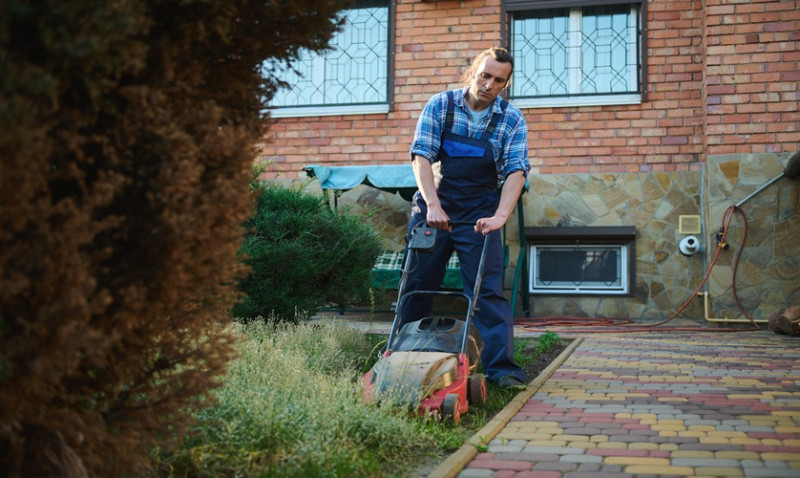 Garden Landscaping Costs in the UK: A ...
Mar 2026
Garden Landscaping Costs in the UK: A ...
Mar 2026
-
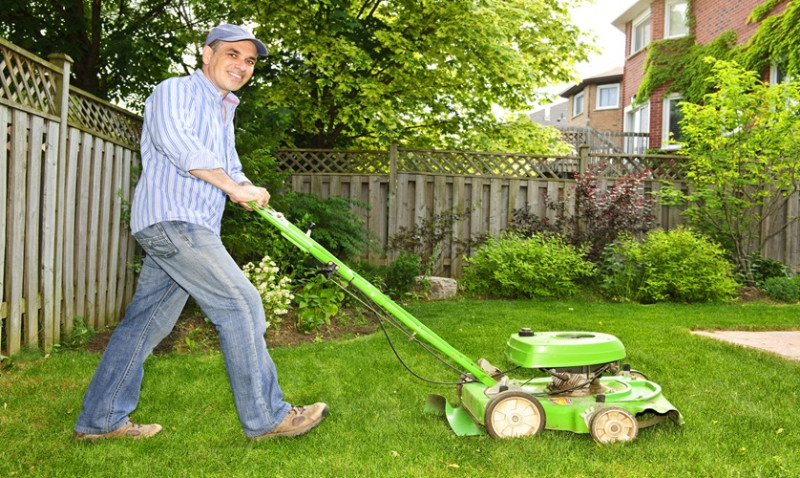 Why Landscapers and Gardeners Should ...
Mar 2026
Why Landscapers and Gardeners Should ...
Mar 2026
-
 Why Google Reviews Can Make or Break ...
Mar 2026
Why Google Reviews Can Make or Break ...
Mar 2026