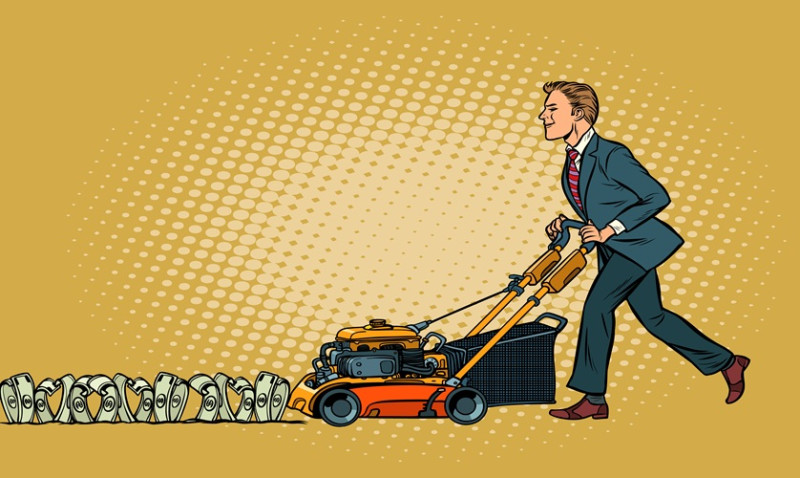
The Review That Changed Everything
Last year, a soft landscaping company in Surrey lost a £12,000 garden redesign job because of a single one-star review. The client had left a bad rating after a miscommunication about delivery dates. By the time the business owner spotted it, three prospective customers had already read it and booked someone else instead.
That's not a worst-case scenario anymore. It's just Tuesday in 2026.
Online reviews have stopped being nice-to-have extras. For landscapers, gardeners, and grounds maintenance teams, they're now the first thing potential clients check before they even pick up the phone. And if your reviews are thin, outdated, or negative, you're losing work to competitors who've got their act together.
Why Now More Than Ever
Five years ago, people still rang landscapers based on recommendations from friends or a Yellow Pages-style directory. That's changed completely. Google's local search algorithm has tightened up. So have customer expectations.
A client looking for garden maintenance in Manchester doesn't want to call five companies blind anymore. They search "garden maintenance near me", read the reviews on the top three results, check photos of actual work, and make a decision in ten minutes. If you're not visible in those results, or if what they find is mediocre, they move on.
The numbers back this up. According to recent research from BrightLocal, 91% of people read online reviews before visiting a local business. For service trades like landscaping, that figure is even higher because clients want proof of actual work before they commit. A picture of a patio you built is worth more than any description.
What's Different About the Review Game Now
Three things have changed since 2020.
First, review platforms have become stricter about authenticity. Google now filters out obviously fake or incentivised reviews faster than ever. If you're asking every client to leave a five-star review in exchange for a discount, it'll get caught and removed. It's also against Google's terms, and the damage to your credibility if you're caught gaming the system is worse than having no reviews at all.
Second, clients read detailed reviews more carefully. They don't just glance at the star count. They're reading what people say about your reliability, whether you tidy up after yourself, if you showed up on time, and whether you charged what you quoted. A five-star review that just says "brilliant" does almost nothing for you. One that says "arrived on time, worked cleanly, and actually finished early without cutting corners" will move the needle.
Third, Google has given more weight to recent reviews. A glowing review from 2021 is nice, but it's not as valuable as consistent good reviews from the last three months. This means you can't build a great reputation once and coast. You need steady, ongoing feedback from real work.
Where Your Reviews Actually Live
Most landscapers focus on Google, which makes sense. That's where 80% of local searches happen. But you shouldn't ignore the others.
Facebook reviews matter because many homeowners check there first, especially if they already follow your page. Trustpilot has become a real player for trades and services over the last few years. Checkatrade still gets traffic from people looking for vetted local tradespeople. TrustedTraders, Which?, and even specific platforms for gardeners like RHS-recommended status all add up.
The person hiring you for a garden overhaul might find you on one platform but verify you on another. You need to be there and consistent across all of them.
The Real Cost of Ignoring This
Let's be honest about what happens if you don't manage your reviews properly.
You'll lose jobs to people who do. A grounds maintenance company with 47 five-star reviews and regular work photos will get the commercial contract over a company with three reviews from 2023. Your competitors know this. They're asking clients for reviews. They're taking before-and-after photos. They're responding to feedback, even the negative stuff.
You'll also miss early warning signs. When a client leaves you a three-star review and explains why, that's feedback you can actually use to fix a problem. If you ignore it, the next ten clients might have the same complaint, and you won't know.
What Actually Works
Making it easy for clients to leave reviews is step one. Send them a text or email with a direct link right after the job is finished. Don't wait three weeks. The moment they're happy is when they'll leave a review.
Take photos of your work and tag them on Google My Business. This matters more than most landscapers realise. A client scrolling through your photos section sees real gardens you've made. It's your best sales tool.
Respond to every review, good or bad. If someone praises your work, say thank you and invite them to recommend you to others. If someone complains, respond professionally, take responsibility where it's yours to take, and offer to fix it. This shows potential clients that you actually care.
Don't incentivise reviews with discounts or free add-ons. It doesn't work anymore and it's against platform rules. Instead, deliver good work and ask. Most people will leave a review if you make it genuinely simple to do so.
Monitor your reviews regularly. Set up a Google alert for your business name, or use a simple tracking tool. Spot problems early before they damage your reputation.
The Competitive Reality
Your competitors aren't waiting around. The landscaping and grounds maintenance sector has become more competitive as customers get more selective. The ones winning new work aren't necessarily the cheapest. They're the ones with solid reputations and real proof of quality work.
Building that reputation takes time, but it pays off. A landscaper with a strong review profile and recent positive feedback can charge 10-15% more than someone with no reviews and still win the work.
Get Started Now
If your online reviews are thin or you haven't thought about them much, start today. Audit where your business appears online. Check what clients are saying. Set up a simple system for asking people to leave feedback after jobs. Take good photos. Respond to everything.
It's not complicated, but it does require consistency. And it matters more in 2026 than it ever has.

Trending articles
-
 Soft vs Hard Landscaping in the UK: A ...
Apr 2026
Soft vs Hard Landscaping in the UK: A ...
Apr 2026
-
 Garden Design Ideas for UK Gardens ...
Mar 2026
Garden Design Ideas for UK Gardens ...
Mar 2026
-
 Patio Installation in the UK: ...
Mar 2026
Patio Installation in the UK: ...
Mar 2026
-
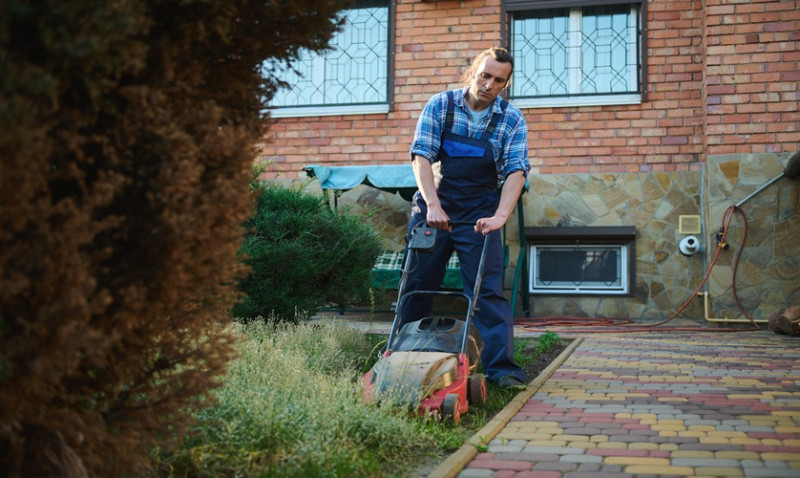 Garden Landscaping Costs in the UK: A ...
Mar 2026
Garden Landscaping Costs in the UK: A ...
Mar 2026
-
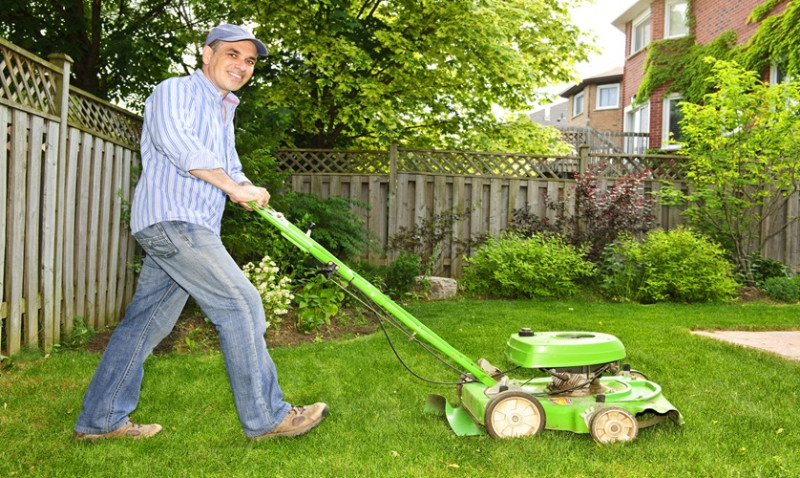 Why Landscapers and Gardeners Should ...
Mar 2026
Why Landscapers and Gardeners Should ...
Mar 2026
-
Why Google Reviews Can Make or Break ...
Mar 2026