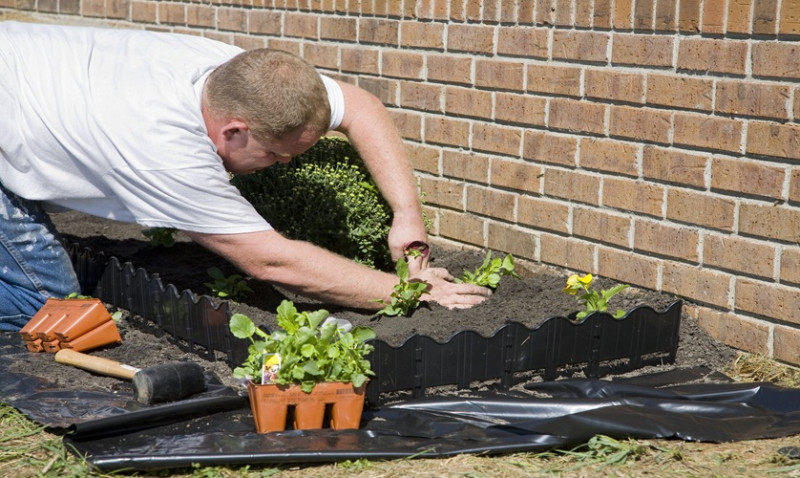
A landscaper in Surrey asked me this directly last month. She'd been running a successful garden maintenance business for eight years, relying almost entirely on word of mouth and a few regular customers. The question was blunt: do I actually need a website, or is everyone just trying to sell me one?
It's a fair question. And the answer isn't a simple yes or no.
What's Actually Changed Since 2020
Five years ago, having a website was genuinely novel for many small trades. Now it's just normal. The question isn't whether websites exist. It's whether your particular business needs one given how you actually operate.
Social media has matured. Google Maps has become absolutely central to how people find local services. AI tools have made it cheaper to build basic online presence. And customer behaviour has shifted again. Not uniformly, but significantly.
The landscaping industry reflects all these changes in real time.
When You Probably Don't Need One
Let's start here because it's more honest. If you're running a residential garden maintenance business that's completely booked through existing customers and referrals, a website might be pointless administrative burden.
If you're in a small rural area where the vast majority of potential customers are people you already know or people they know, a website does less work. If you're selective about which jobs you take and you already turn work away, you don't need to be findable by every person searching for a gardener within 20 miles.
Similarly, if you only work with commercial clients who tender or use established networks, the website becomes less essential. Most large property management companies aren't finding your firm through a basic website anyway.
When You Probably Do
But if any of these apply, a website becomes genuinely useful:
- You want to expand beyond current customer circles and aren't relying purely on word of mouth growth
- You do seasonal work or project-based landscaping rather than routine maintenance
- You operate in a competitive urban or suburban market where dozens of other landscapers exist
- You want to appear established and legitimate to customers who've never heard of you
- You need to explain what you do beyond "garden work" because your services are specific (design consultation, natural play spaces, sustainable drainage, etc.)
The last point matters more than people admit. A family wanting a complete garden redesign will search for it. A small business needing sustainable landscape solutions will search for specialists. A school thinking about outdoor learning space will want to see examples of previous work.
A website helps with all three. Social media alone doesn't.
The Real Problem With Not Having One
Here's the thing that actually matters: in 2026, absence itself is a signal.
If someone searches for your business name and finds nothing, that's fine. But if they search for "landscapers near me" or "garden design [your area]" and you're invisible, you've lost them. More importantly, when people do find you through word of mouth and then search for your name to check you're legitimate, the absence of any online presence sometimes works against you.
This is less about you needing a fancy site and more about basic credibility. A simple website with your phone number, service area, and a handful of photos does real work.
Google Maps is genuinely useful here. If you're not on Google Maps as a local business, you're missing a free opportunity. That's not quite a website, but it serves the same function for local search.
The Cost Question Nobody Answers Properly
You can build a functional website for under £300 now. You can do it yourself with Wix or Squarespace if you have six hours to spend. You can hire someone locally to build a basic five-page site for £600 to £1,200. You can pay £150 a month for ongoing managed hosting and updates if you want zero involvement.
The question isn't whether websites are expensive. It's whether the return justifies the cost and attention required for your specific business.
If a website brings you two extra jobs a year at £2,000 each, it's worth £300. If it brings you nothing but gives you peace of mind that you look professional, that has value too but it's not business value.
What Actually Works Instead
If you decide against a website, here's what does matter:
Google Maps presence with accurate information, real hours, and photos. It's free and genuinely effective for local discovery. Instagram with regular photos of your work. Doesn't need to be fancy, just current. Respond to messages quickly. Reviews on Google and Trustpilot. They matter far more than your website ever will.
A simple email signature with your contact details. It's not online, but it helps.
Your profile on landscapersaround.co.uk or similar directories. These exist specifically because not every business runs their own website, and customers look here to find local services.
These alternatives aren't "better" than a website. They're just different tools for different situations.
The Honest Conclusion
A website in 2026 is useful, not essential. If you're growing, competing for new customers, or doing anything beyond routine service delivery, it probably makes sense. If you're small, established, and choosing who you work with, you might not need one.
The real question isn't whether small businesses need websites. It's whether your specific business needs the ability to be found by strangers searching online. If it does, a website helps. If it doesn't, it's just another thing to maintain.
Answer that question honestly, and you'll know what to do.
Trending articles
-
 Soft vs Hard Landscaping in the UK: A ...
Apr 2026
Soft vs Hard Landscaping in the UK: A ...
Apr 2026
-
 Garden Design Ideas for UK Gardens ...
Mar 2026
Garden Design Ideas for UK Gardens ...
Mar 2026
-
 Patio Installation in the UK: ...
Mar 2026
Patio Installation in the UK: ...
Mar 2026
-
 Garden Landscaping Costs in the UK: A ...
Mar 2026
Garden Landscaping Costs in the UK: A ...
Mar 2026
-
 Why Landscapers and Gardeners Should ...
Mar 2026
Why Landscapers and Gardeners Should ...
Mar 2026
-
 Why Google Reviews Can Make or Break ...
Mar 2026
Why Google Reviews Can Make or Break ...
Mar 2026