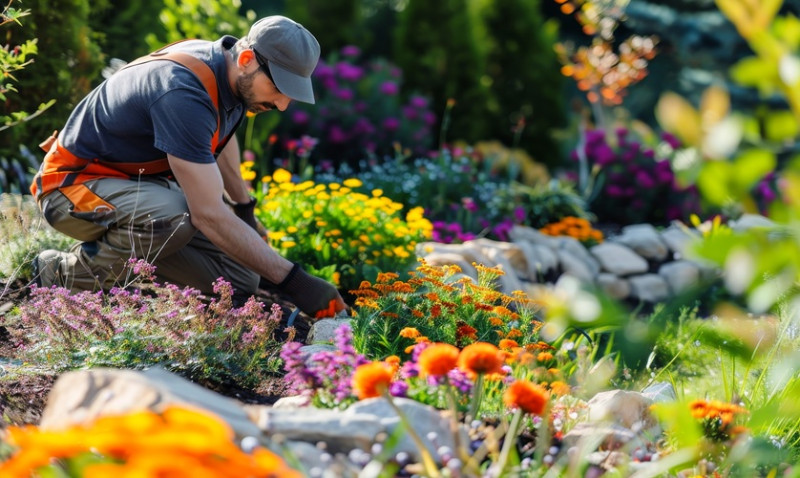
Landscaping is the art and science of enhancing the beauty and functionality of outdoor spaces. It encompasses various elements, both natural and constructed, that contribute to the overall aesthetic and usability of a garden or other outdoor area. In the UK, landscaping can be broadly divided into two categories: soft landscaping and hard landscaping. Understanding the differences between these two types can help homeowners make informed decisions about their outdoor spaces.
What is Soft Landscaping?
Soft landscaping refers to the use of living elements in the design of a garden. This includes plants, trees, shrubs, flowers, and lawns. Soft landscaping is primarily focused on the organic aspects of the landscape, aiming to create an environment that is not only visually appealing but also supportive of local wildlife and ecosystems.Benefits of Soft Landscaping
Soft landscaping offers numerous advantages, some of which include:- Environmental Benefits: Plants improve air quality, reduce noise pollution, and support biodiversity.
- Aesthetic Appeal: A well-designed soft landscape can create a lush, inviting atmosphere.
- Seasonal Changes: Soft landscaping allows for seasonal variation, providing different colours and textures throughout the year.
- Improved Mood: Green spaces have been linked to improved mental health and well-being.
Examples of Soft Landscaping
Soft landscaping can include a variety of elements such as: - Flower beds filled with seasonal blooms - Lawns for recreational use and relaxation - Shrubs and hedges that provide structure and privacy - Trees that offer shade and habitat for wildlife These components can work together to create a harmonious outdoor environment that enhances the overall appearance of a property.What is Hard Landscaping?
Hard landscaping, on the other hand, involves the installation of non-living elements in the landscape design. This includes materials such as stone, brick, concrete, wood, and metal. Hard landscaping elements are typically more permanent and serve various functional purposes, including pathways, patios, walls, and fences.Benefits of Hard Landscaping
Hard landscaping also provides several benefits:- Durability: Hard landscaping materials are often long-lasting and require minimal maintenance.
- Defined Spaces: Hard landscaping can help delineate different areas within a garden, making it easier to organise and navigate.
- Accessibility: Hard surfaces are easier to walk on, making outdoor spaces more accessible for everyone.
- Design Flexibility: Hard landscaping materials can be used to create various styles, from contemporary to traditional.
Examples of Hard Landscaping
Common elements of hard landscaping include: - Patios for outdoor dining and relaxation - Pathways that guide visitors through the garden - Retaining walls to manage slopes and prevent erosion - Decking areas for seating and entertainment These components can enhance the functionality of a garden while also adding aesthetic value.Key Differences Between Soft and Hard Landscaping
While both soft and hard landscaping contribute to a well-designed outdoor space, they serve different purposes and have distinct characteristics. Here are some of the key differences:Materials Used
Soft landscaping predominantly uses organic materials, such as plants and soil. In contrast, hard landscaping relies on inorganic materials like stone, concrete, and wood. This fundamental difference affects not only the visual aspects of a garden but also the maintenance requirements and longevity of the elements involved.Maintenance Requirements
Soft landscaping often requires more ongoing care, such as watering, pruning, and fertilising. This is essential for maintaining the health and appearance of the plants. Conversely, hard landscaping typically requires less frequent maintenance, though it may involve cleaning or occasional repairs.Impact on the Environment
Soft landscaping is generally more beneficial for the environment, contributing to biodiversity and improving air quality. Plants can absorb carbon dioxide and release oxygen, while also providing habitats for various species. Hard landscaping, while useful for defining spaces and providing structure, can lead to increased runoff and reduced green space if not designed thoughtfully.Seasonality
Soft landscaping is inherently seasonal, with plants changing appearance throughout the year. This can be both a positive and negative aspect, depending on personal preferences. Hard landscaping, however, remains consistent and unchanged, providing a stable foundation for the garden regardless of the season.Choosing the Right Option for Your Garden
When deciding between soft and hard landscaping for your garden, consider the following factors:Personal Preferences
Your aesthetic preferences will play a significant role in your landscaping choices. If you prefer a lush, green environment with a variety of colours and textures, soft landscaping may be the better option. On the other hand, if you favour a more structured and low-maintenance space, hard landscaping might suit your needs.Functionality
Consider how you intend to use your outdoor space. If you require areas for entertaining, dining, or recreational activities, hard landscaping elements such as patios and pathways will be essential. If you want to create a relaxing retreat filled with plants and flowers, soft landscaping should be prioritised.Budget
Your budget will also influence your landscaping decisions. Soft landscaping may require ongoing investment in maintenance, while hard landscaping often involves a larger upfront cost for materials and installation. It is important to consider both initial and long-term costs when planning your landscaping project.Local Climate
The UK climate can be unpredictable, with varying rainfall and temperature patterns. Choose plants that are resilient and suited to your local conditions for soft landscaping. For hard landscaping, select materials that can withstand the UK weather without significant wear and tear.Conclusion
In summary, both soft and hard landscaping play crucial roles in the design and functionality of outdoor spaces. By understanding the differences between these two types of landscaping, homeowners can make informed decisions that reflect their personal tastes, needs, and environmental considerations. Whether you opt for the lush beauty of soft landscaping or the structural integrity of hard landscaping, a well-planned garden can enhance your property and provide enjoyment for years to come.
Trending articles
- Planning a Garden Landscaping Project ... May 2026
-
Soft vs Hard Landscaping in the UK: A ...
Apr 2026
-
 Garden Design Ideas for UK Gardens ...
Mar 2026
Garden Design Ideas for UK Gardens ...
Mar 2026
-
 Patio Installation in the UK: ...
Mar 2026
Patio Installation in the UK: ...
Mar 2026
-
 Garden Landscaping Costs in the UK: A ...
Mar 2026
Garden Landscaping Costs in the UK: A ...
Mar 2026
-
 Why Landscapers and Gardeners Should ...
Mar 2026
Why Landscapers and Gardeners Should ...
Mar 2026