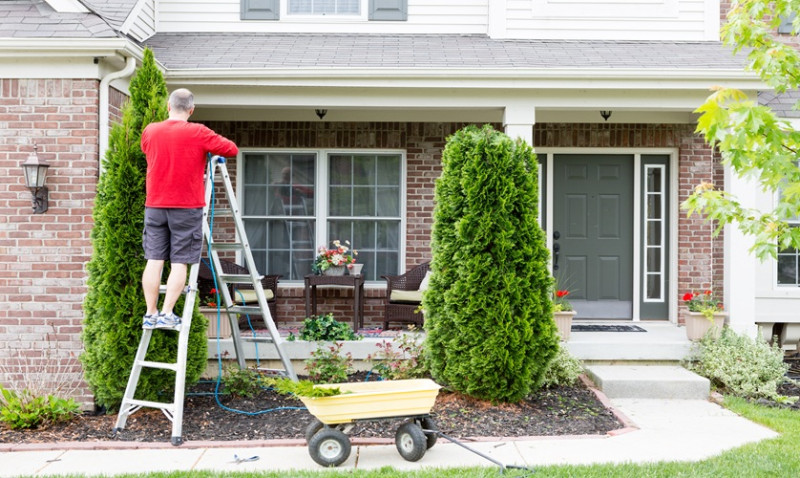
When you run a landscaping or grounds maintenance operation, moving isn't straightforward. You're not shifting office furniture and box files. You've got chainsaws, ride-on mowers, bagged soil, plant stock, hand tools worth thousands, and probably some heavy machinery that needs proper handling. Most removal companies treat a van full of shrubs the same way they'd treat a residential flat move. That's a recipe for arriving at your new premises with damaged equipment and dead plants.
We've heard enough stories from garden maintenance crews about arriving to find their professional mowers scratched, their irrigation systems damaged, or their new potted specimens crushed under boxes. It's not always negligence. Often it's just that the firm moving you didn't understand what they were moving.
Start by asking the right questions
Before you get a quote, ring the removal company directly. Don't just fill in an online form and wait for callbacks. You want to speak to someone who can answer specific questions about your operation.
Ask them straight: "Have you moved landscaping or gardening businesses before?" If they hesitate or say no, that's a warning sign. It doesn't mean they're useless, but they'll be learning on your dime.
Then ask about their experience with delicate items. Do they know how to pack potted plants so they don't tip or get waterlogged in transit? Have they moved ride-on equipment? Can they safely transport fertilisers or other materials that might have storage restrictions? A competent firm will have done this work. They'll tell you exactly how they'd handle your specific stock.
Check their insurance and credentials
This matters more than people think. Standard removal insurance often comes with limits on liability. If your new mower gets damaged because they didn't secure it properly, you need to know whether they're actually covered to pay for it.
Ask for their public liability insurance certificate. You want to see they're insured for at least £5 million, ideally £10 million if you've got significant equipment value. Ring their insurer if you want to be thorough. They'll confirm whether the policy is active.
Check that they're members of a trade body. The BAR (British Association of Removers) has standards its members must follow. FIDI (International Federation of Removers) covers international moves. These memberships aren't perfect, but they mean the company has agreed to a code of conduct and can be held accountable through a complaints process.
What happens on the actual survey
A professional removal firm will want to visit your current location and your new one before they quote. If they're quoting over the phone without seeing what you've got, walk away.
During the survey, show them everything. Open the garden shed. Point out the equipment store. Let them see the potted plants you're moving and the nursery stock. They should be taking notes and photos. They should ask questions about weight, fragility and any items that need special handling.
If you're moving to a site with different access, mention it now. A double-driveway at your current location means nothing if your new premises has a narrow lane with a 3.5-tonne vehicle restriction. A competent surveyor will flag these issues and suggest solutions.
Get three quotes and read the small print
Don't accept the first offer. Get quotes from three firms. Prices for moving a typical small landscaping operation might range from £2,500 to £6,000 depending on volume and distance. If one quote is wildly lower than the others, ask why.
When you get the quote, read it properly. What's included? Are they charging extra for equipment like dollies or blankets? Some firms charge for travel time to your location. Some add fuel surcharges. Some charge more if you need them on a weekend or outside standard hours. This stuff adds up.
Check whether they're quoting a fixed price or an estimate. A fixed price is better for you. An estimate means they could charge more on the day if the job takes longer than expected.
References matter. Ask for them
Request contact details for two or three previous customers in a similar line of work. Ring them. Ask whether the move went smoothly. Did anything arrive damaged? Were items delivered on time? Did the team understand what they were moving and handle it accordingly?
If a firm won't give you references, that's suspicious. Established removal companies have nothing to hide. They know their customers will speak well of them.
The day before the move
Confirm everything in writing. Send an email to your removal company listing the date, time, location and a brief description of what's being moved. Ask them to confirm they've received it and that it matches their understanding.
Create an inventory of everything going into the van. It doesn't need to be exhaustive, but list your major items and any delicate stock. This protects you both. If something arrives broken, you've got evidence it was packed into the van intact.
Brief your staff about what to expect. Let them know where things should go in the new location. If you've got specific equipment that needs to stay upright or temperature-controlled during transit, make sure the removal team knows.
What actually matters
You're not just moving possessions. You're moving the tools that generate your income. Every day the van is in transit is a day you're not working. Equipment damage means repair costs or replacement. Dead stock means lost sales. The cheapest quote isn't always the best value if the firm arrives two hours late or delivers your tools scratched and non-functional.
Pick a removal company that understands the landscaping and gardening sector. Pay them fairly. Brief them properly. Check their credentials. Then let them do the job.

Trending articles
-
 Soft vs Hard Landscaping in the UK: A ...
Apr 2026
Soft vs Hard Landscaping in the UK: A ...
Apr 2026
-
 Garden Design Ideas for UK Gardens ...
Mar 2026
Garden Design Ideas for UK Gardens ...
Mar 2026
-
 Patio Installation in the UK: ...
Mar 2026
Patio Installation in the UK: ...
Mar 2026
-
 Garden Landscaping Costs in the UK: A ...
Mar 2026
Garden Landscaping Costs in the UK: A ...
Mar 2026
-
 Why Landscapers and Gardeners Should ...
Mar 2026
Why Landscapers and Gardeners Should ...
Mar 2026
-
 Why Google Reviews Can Make or Break ...
Mar 2026
Why Google Reviews Can Make or Break ...
Mar 2026