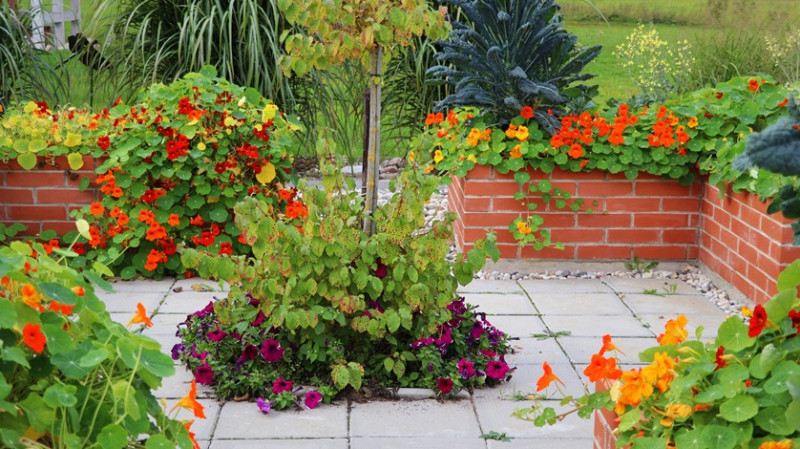
How to Request a Landscaper Quote: What to Include Before You Ask
Asking a landscaper for a quote is one of the most important steps in any garden project. A well-prepared request leads to accurate quotes, faster responses, and easier comparison between local providers. If you simply send a vague message—"How much for a new garden?"—you'll receive guesses rather than proper estimates. Landscapers need specific information to give you a meaningful price.
This guide walks you through everything you should prepare and clarify before contacting landscapers, so you can get reliable quotes and make confident decisions when comparing providers on landscapersaround.co.uk.
Why Preparation Matters
Landscapers work with variables: soil conditions, access difficulties, existing structures, design complexity, and weather windows. Without clear information from you, they either guess (and quote low, then raise prices mid-project) or quote high to cover uncertainty. Either way, you lose.
Preparing your request properly shows professionalism, helps landscapers understand your vision, and means you'll receive quotes that actually reflect your real project. It also speeds up the process—a landscaper can turn around an accurate quote in days rather than weeks if they have what they need upfront.
Document Your Site Thoroughly
Take Clear Photos and Videos
Photographs are non-negotiable. Landscapers need to see what they're working with. Include:
- Wide shots of the entire area from multiple angles
- Close-ups of problem areas (poor drainage, dead plants, uneven ground)
- Details of existing structures (fences, sheds, paths, walls)
- Overhead or diagonal views showing the overall layout
- Photos of any access points—gates, side passages, front access
- Pictures showing ground conditions (grass quality, soil type where visible, compaction issues)
If your garden is large or complex, a short video walk-through helps landscapers understand flow and spatial relationships far better than static images. Include views of boundaries, neighbouring properties, and any utilities you're aware of.
Provide Measurements
You don't need a professional survey, but approximate dimensions are essential. Measure:
- Total garden length and width
- The specific area to be landscaped (if it's not the whole garden)
- Key features like patios, sheds, or tree locations
- Fence heights and boundary lengths
Write these down clearly. Many landscapers will verify on-site, but having rough measurements saves them time and lets them spot potential problems before visiting.
Be Clear About Your Actual Project
Define Scope Precisely
Vague requests produce vague quotes. Instead of "revamp the garden," describe what you actually want:
- Remove existing features (old patio, overgrown plants, turf)?
- Build new hard landscaping (patio, path, deck, raised beds)?
- Install planting schemes, trees, or hedging?
- Add water features, lighting, or drainage solutions?
- Improve lawn quality or create new lawn areas?
- Build or repair boundaries?
If you're unsure what you want, say so. Many landscapers offer design consultations, and it's worth asking about this separately from a quote for physical work. Some include design time in their quote; others charge separately.
Explain Your Vision
Share style preferences, inspirations, or specific requirements. Are you looking for low-maintenance, modern, traditional, wildlife-friendly, or family-focused gardens? Do you want evergreens or seasonal colour? Do you have existing plants you want to keep? Do you need child-safe or pet-proof solutions?
This helps landscapers understand your priorities and spot potential issues early. A landscaper familiar with your vision is far more likely to deliver what you're hoping for.
Address Access and Logistics
Explain How They'll Access Your Garden
Access problems add time and cost. Clarify:
- Is there side access, or must materials come through the house?
- How wide are gates and passages?
- Can a van or small dumper truck reach the garden, or is everything hand-carried?
- Are there stairs, steep slopes, or other physical barriers?
- Where can a skip or waste be positioned if needed?
Be honest about constraints. A difficult-access garden won't be cheaper if you don't mention it—the landscaper will just discover it during work and bills will spiral.
Identify Underground Utilities
Mention any gas, water, electric, drainage, or sewage lines you're aware of. Show where outdoor taps, drains, or inspection covers are located. If you don't know, say so—but landscapers need to be careful, and you should arrange for utilities to be marked before any digging happens.
Set Realistic Timescales and Availability
Specify When You Need the Work Done
Are you looking for work this season, or further ahead? Do you need it finished by a specific date? Are there periods when the garden must remain accessible (school holidays, entertaining)? Do weather constraints matter to your project?
Landscapers book weeks or months ahead during peak seasons. If you need work urgently, that's worth flagging—some providers may fit urgent work in, but pricing and availability will reflect the demand.
Clarify Availability for Site Visits
Let landscapers know your availability for quotes and initial consultations. If you're only available on certain days, mention it. The easier you make site access, the faster they can visit and turn around a quote.
Verify Compliance and Safety Standards
Ask About Insurance and Guarantees
Before requesting a quote, confirm you'll be asking about:
- Public liability insurance (essential; covers damage to your property or injury to others)
- Employer's liability insurance (if they employ staff)
- Guarantees on work and materials
- Building Regulation approval (for structures like patios or decking above a certain size)
Don't assume landscapers have these—your request should signal that you expect them to. When you contact providers through landscapersaround.co.uk, look for confirmation badges showing verified credentials.
Environmental and Legal Considerations
Mention any relevant concerns: protected plants or trees on your property, boundary agreements with neighbours, restrictions in your lease or planning constraints, or requirements for wildlife-friendly practices. Landscapers need to work within these limits, and knowing them upfront prevents costly delays.
Use a Comparison Framework
Decide What You'll Ask Every Landscaper
When you request quotes, ask each landscaper the same core questions so you can compare fairly:
- What's included in the quote (labour, materials, waste removal, site clearance)?
- What's excluded or charged separately?
- What's the payment schedule (full upfront, deposits, milestone payments, final on completion)?
- How long will the work take, and what's the timeline?
- What guarantees cover the finished work?
- How are changes or additions handled mid-project?
Consistency across quotes makes comparison meaningful. Otherwise, you're comparing apples to oranges.
How to Submit Your Request
When you contact landscapers on landscapersaround.co.uk or directly, include:
- Your prepared photos and measurements
- A written summary of the work you want (2–3 sentences)
- Key constraints (access, timescale, budget range if relevant)
- Your availability for a site visit
- A request for clarification on insurance, guarantees, and payment terms
Send this as one clear message or enquiry form, rather than vague back-and-forth. Landscapers appreciate clarity and will respect your professionalism.
Review and Compare Responses
Once quotes arrive, check that each one:
- Addresses every element of your project
- Lists what's included and excluded
- Provides a timeline and payment structure
- Shows the landscaper understands your vision and site constraints
- Includes evidence of insurance or professional credentials
The cheapest quote isn't always the best—but the most expensive isn't necessarily better either. Look for a provider who understands your project, communicates clearly, and appears professional in their response. Check reviews on landscapersaround.co.uk and ask for references if you're committing to substantial work.
Summary
Requesting a landscaper quote properly takes some preparation, but it saves time, prevents misunderstandings, and helps you make confident decisions. Clear communication upfront leads to accurate quotes, faster timescales, and better outcomes. When you're ready to reach out to local landscapers through landscapersaround.co.uk, you'll be in an excellent position to compare providers and choose the right one for your garden project.
Request a Quotation from Local Landscapers
Use your notes, photos and service details to contact suitable providers. A clearer request helps local landscapers reply with useful, comparable answers.

Trending articles
- Planning a Garden Landscaping Project ... May 2026
-
 Soft vs Hard Landscaping in the UK: A ...
Apr 2026
Soft vs Hard Landscaping in the UK: A ...
Apr 2026
-
 Garden Design Ideas for UK Gardens ...
Mar 2026
Garden Design Ideas for UK Gardens ...
Mar 2026
-
 Patio Installation in the UK: ...
Mar 2026
Patio Installation in the UK: ...
Mar 2026
-
 Garden Landscaping Costs in the UK: A ...
Mar 2026
Garden Landscaping Costs in the UK: A ...
Mar 2026
-
 Why Landscapers and Gardeners Should ...
Mar 2026
Why Landscapers and Gardeners Should ...
Mar 2026