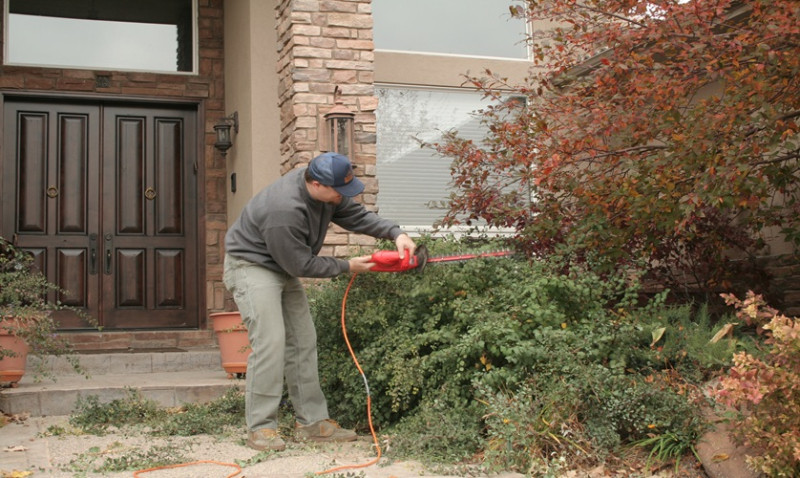
When you start a landscaping business, you've got bigger things on your mind than paperwork. You're thinking about quotes, clients, equipment, and whether you can actually fit another garden design job into your schedule. But the choice between operating as a sole trader or setting up a limited company will affect your finances, your legal exposure, and how much admin you'll be doing for the next five years. Get it wrong, and you might pay thousands more in tax than necessary. Get it right, and you'll sleep better at night.
This isn't a one-size-fits-all decision. What works for a one-person operation doing residential garden maintenance won't necessarily work for someone running a team of five with contracts worth hundreds of thousands. Let's look at what actually matters when you're making this choice.
Sole Trader: The Simpler Route
Being a sole trader means you are self-employed. You and your business are legally the same entity. HMRC sees you as one person, not two separate things.
The appeal is obvious. Setting up takes minutes. There's no Companies House paperwork, no director responsibilities, and your accounting is straightforward. You fill out a self-assessment tax return each year. You're paying Income Tax and National Insurance on your profits. You keep more control over decision-making because there's no one to answer to.
For landscapers starting out, this is usually the natural choice. You've got one van, you're handling most of the work yourself, and you're not sure yet whether the business will grow. The admin burden is low enough that you can manage it alongside running the actual business.
However, there's a significant downside. Your personal assets are at risk. If a client sues you for damages, or if you cause an injury on site and someone takes legal action, they can come after your house, your savings, everything. Professional indemnity insurance helps, but it doesn't remove the legal liability completely. You're personally responsible for any debts the business runs up. If a supplier sues you for unpaid invoices, they're suing you, not a separate company.
Tax-wise, you might also pay more. As a sole trader, you pay Income Tax on profits at either 20%, 40%, or 45% depending on your earnings, plus National Insurance at 9% (or 2% on profits above £50,270). That could add up.
Limited Company: More Protection, More Complexity
A limited company is a separate legal entity. You own it, but your company is not you. This matters when things go wrong.
If your limited company gets sued, the claim is against the company, not against you personally. Your personal liability is limited to the amount you've invested in the company. That's where the name comes from. If you invested £5,000 to set up the company and it gets sued for £50,000, you stand to lose the £5,000, but not your house. This is genuinely valuable protection if you're working on sites where there's injury risk or where significant damage could occur.
Setting up takes longer. You need to register with Companies House (costs £12 online if you do it yourself), and you'll need to file annual accounts and a confirmation statement. That's paperwork. You'll probably need an accountant, which costs money, typically between £500 and £2,000 per year depending on complexity.
Tax becomes more interesting. You pay Corporation Tax on profits at 19% (as of 2024). Then, if you want to take money out, you either pay yourself a salary or take dividends. A salary costs you National Insurance. Dividends have a tax-free allowance of £500, then you pay 8.75% tax on dividends in the basic rate band. Many accountants will structure this so you pay yourself a small salary (around £9,100 to use your personal allowance) then take the rest as dividends. This is often cheaper than sole trader National Insurance, but only if you're earning a reasonable profit.
If you're making £30,000 a year, a limited company structure probably won't save you much tax and will cost you more in accountancy fees. If you're making £80,000 a year or more, a limited company usually makes sense financially.
What Actually Matters for Landscapers
Think about your risk exposure. If you're mostly doing garden design work and planting, your injury risk is moderate but real. If you're doing tree surgery, felling work, or operating machinery on busy commercial sites, you need that liability protection. Many landscapers on landscapersaround.co.uk will find that a limited company gives them peace of mind that's worth the extra admin.
Consider your profit trajectory. Are you starting solo and planning to stay that way? Sole trader probably works. Are you planning to employ staff and take on larger contracts? Limited company. Employees need clarity about who they're employed by, and it's easier to manage payroll within a company structure.
Look at your cash situation. Can you afford accountancy fees and Companies House fees? Can you wait a few more days to get paid because there's now a company bank account in between? If money is extremely tight, sole trader is simpler. If you've got some runway, limited company is more defensible.
Making Your Decision
Start by talking to an accountant who works with landscaping businesses. They'll know the regional patterns and what actually works. A 30-minute consultation might cost £100, but it could save you thousands in unnecessary tax or regretted decisions.
You're not locked in forever. You can start as a sole trader and move to a limited company later when the business grows. The reverse is possible but more annoying. Most landscapers find their answer becomes obvious once they start earning money. At that point, the decision becomes about protection and tax efficiency, not just simplicity.
Pick the structure that lets you focus on doing good work. Everything else is just paperwork.
Trending articles
-
 Soft vs Hard Landscaping in the UK: A ...
Apr 2026
Soft vs Hard Landscaping in the UK: A ...
Apr 2026
-
 Garden Design Ideas for UK Gardens ...
Mar 2026
Garden Design Ideas for UK Gardens ...
Mar 2026
-
 Patio Installation in the UK: ...
Mar 2026
Patio Installation in the UK: ...
Mar 2026
-
 Garden Landscaping Costs in the UK: A ...
Mar 2026
Garden Landscaping Costs in the UK: A ...
Mar 2026
-
 Why Landscapers and Gardeners Should ...
Mar 2026
Why Landscapers and Gardeners Should ...
Mar 2026
-
 Why Google Reviews Can Make or Break ...
Mar 2026
Why Google Reviews Can Make or Break ...
Mar 2026